
Stargazing Weddings in New Zealand's Dark Sky Reserve

Photos of the Milky Way stretched over Lake Tekapo turn up in enough wedding inspiration boards that it's worth being straight about what's actually achievable. The Aoraki Mackenzie International Dark Sky Reserve is real, and it is genuinely one of the best places on Earth to see stars with your own eyes. What it isn't is a place where you can hold a candlelit ceremony under a blazing night sky and get a well-exposed photo of both at once. This guide covers what makes the reserve special, what a stargazing wedding there actually looks like in practice, and the honest travel picture from Auckland.
Reserve size: ~4,367 km²
Designated: 2012
Flight, Auckland–Christchurch: ~1h 35m
Drive, Christchurch–Tekapo: ~3 hours
At a glance
Aoraki Mackenzie is the largest Dark Sky Reserve in the Southern Hemisphere, designated in 2012, with genuinely exceptional, near-darkest-scale night skies.
There's no direct flight from Auckland. Realistically it's a flight to Christchurch or Queenstown plus a roughly 3-hour drive, most of a travel day each way.
A ceremony needs light to function, a dark sky needs the absence of it. Plan them as two separate parts of the day, not one seamless moment.
Winter gives clearer skies and longer nights, at the cost of short daylight and cold. A warmer season trades sky clarity for comfort and daylight.
What makes Aoraki Mackenzie genuinely different
Aoraki Mackenzie was designated an International Dark Sky Reserve in 2012, covering roughly 4,367 square kilometres across Aoraki/Mount Cook National Park and the Mackenzie Basin. At the time it was the largest Dark Sky Reserve in the world and remains the biggest in the Southern Hemisphere. Outdoor lighting in the surrounding townships, including Tekapo and Twizel, has been deliberately controlled since the early 1980s specifically to protect the night sky, which is a big part of why it still works this well decades later.
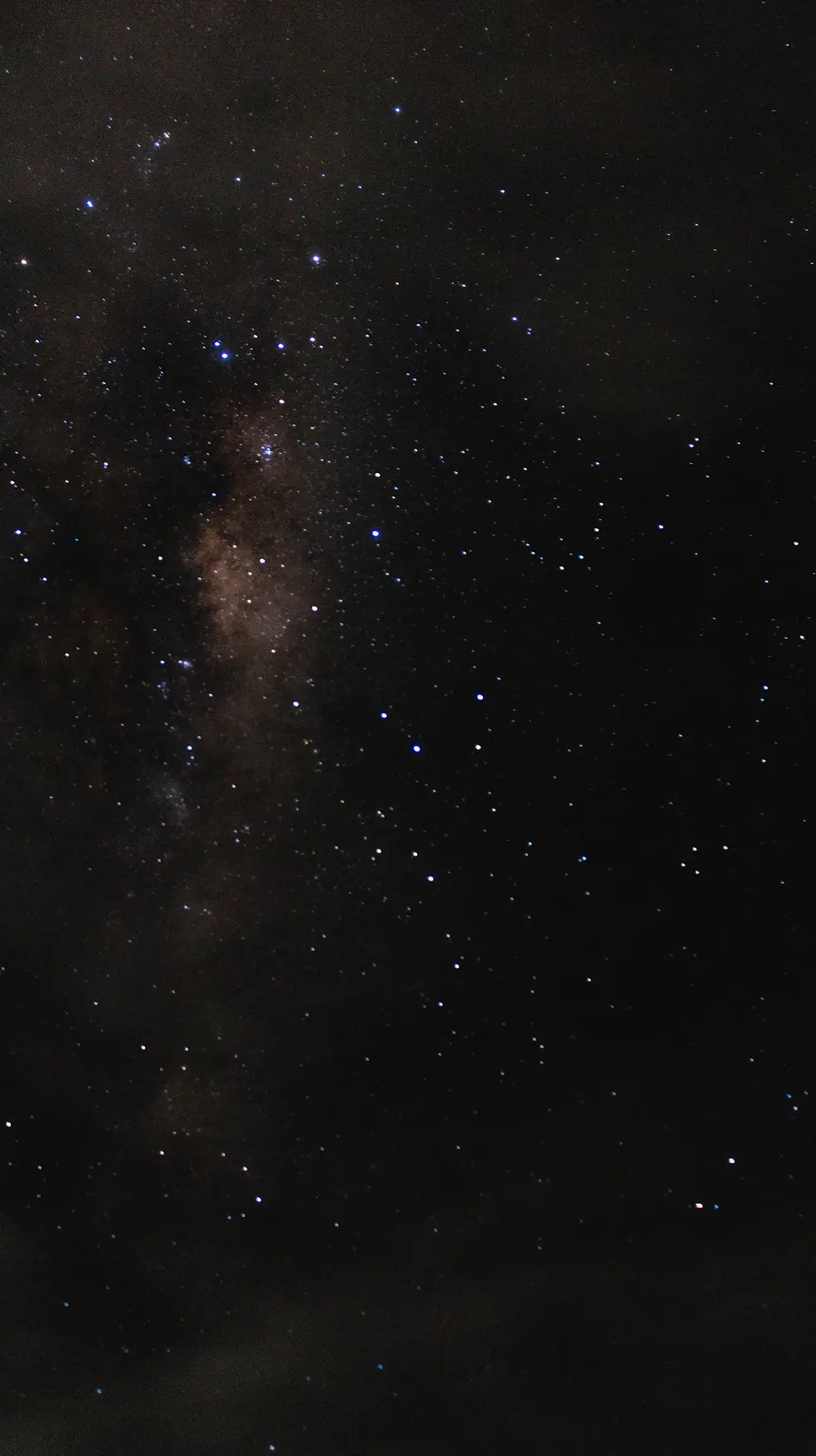
The sky above the reserve rates close to the darkest end of the Bortle scale, the standard measure of how much a night sky is affected by light pollution. Mount John University Observatory, New Zealand's main astronomical research site, sits inside the reserve for exactly that reason. On a clear, moonless night, the Milky Way isn't a faint smudge, it's a genuinely bright band across the sky, visible without any special equipment.
The honest travel picture from Auckland
There's no direct flight from Auckland into Tekapo or Mount Cook. The realistic route is to fly into Christchurch, roughly an hour and a half in the air, then drive to Tekapo, which is about three hours by road via SH1 and SH8, around 220 kilometres. Flying into Queenstown and driving in from the south is a similar order of distance and time. Either way, this is most of a travel day each direction, not a quick add-on to an Auckland ceremony.
That's worth knowing before the idea gets too far into planning. A Tekapo wedding is a genuine South Island destination trip for you and your guests, closer in scale to planning a wedding in a different country than a weekend away from Auckland. Guests flying in from overseas may find it easier to route through Christchurch or Queenstown directly rather than via Auckland at all.
Why the ceremony and the stargazing are two separate parts of the day
This is the detail most inspiration photos gloss over. A wedding ceremony, with guests seated, readable printed programmes, and a couple able to see each other's faces, needs enough ambient light to function. A dark sky reserve works precisely because there's very little ambient light. Those two things don't happen in the same thirty minutes.
In practice, couples build a day with a ceremony and reception during daylight or early evening, using the Mackenzie Basin's mountain and lake scenery as the backdrop, then a separate, deliberately planned stargazing session later that night, either self-guided from a dark viewing spot or as part of a guided astro-tourism experience. Framing it this way from the start avoids the disappointment of expecting one seamless "married under the stars" moment that the physics of visible light doesn't actually allow.
A wedding ceremony needs enough light to function. A dark sky reserve works precisely because there's very little light. Those two things don't happen in the same thirty minutes.
What the season trade-off actually looks like
Clearer skies are more commonly reported through winter, when the air is drier and nights are longer, giving more hours of usable darkness. The trade-off is real: winter in the Mackenzie Basin means short daylight hours for your ceremony and portraits, and genuinely cold conditions after dark, which changes what your guests need to wear and how long anyone will comfortably stand around outside. A warmer-season date trades some of that sky clarity for longer daylight and easier guest comfort. Neither is objectively better, it depends on what matters more to you, and it's worth deciding deliberately rather than defaulting to whichever season looks nicest in someone else's photos.
What this means for your photos
Photographing people against a genuinely dark night sky is a different discipline from wedding photography during the day. Getting both a person and a sharp, detailed sky in one frame usually means a long exposure on a tripod, a still subject, and no other light source nearby, since a single phone screen or car headlight in the wrong spot can wash out an entire frame. That's manageable with the right planning and equipment, but it's genuinely different from the fast-moving, reactive shooting style that covers a ceremony and reception.
If a stargazing portrait session matters to you, it's worth treating it as its own booking with its own timing, separate from ceremony and reception coverage, and confirming your photographer has actually shot long-exposure night photography before, not just assuming any wedding photographer can.

Who to book locally
Popin is based in Auckland, and this guide is written from that honest starting point rather than a claim of routine experience shooting in the Mackenzie region. A Tekapo wedding genuinely benefits from photographers, celebrants, and caterers based on or familiar with the South Island, who already know the roads, the light, and the practical realities of the area. If a dark sky wedding is genuinely the plan, factor a local supplier team, or travel costs for an Auckland-based team, into the budget conversation early.
Frequently asked questions
Can the ceremony itself happen after dark, under the stars?
It's possible with enough artificial light for guests and the officiant to function, but that light will reduce how dark and detailed the visible sky looks. Most couples treat the ceremony and the dedicated stargazing time as two separate parts of the day rather than trying to combine them into one moment.
What's the best time of year for this?
Winter tends to bring clearer, drier skies and longer nights, but shorter daylight and cold conditions. A warmer-season date trades some sky clarity for longer daylight and more comfortable evenings. Neither is a wrong choice, it's a genuine trade-off worth deciding on purpose.
Do we need a South Island-based photographer?
Not necessarily, but it's worth asking any photographer, wherever they're based, whether they have real experience with long-exposure night photography specifically, since it's a different skill set from standard wedding coverage.
Planning your own wedding?
If a Mackenzie dark sky wedding is genuinely on the table, tell us your date and we'll talk honestly about whether travelling our Auckland team south makes sense, or whether a local supplier is the better call.


Comments