
One Photographer or Two? What Actually Changes on the Day

When couples compare photography quotes, one of the first differences they notice is whether a second photographer is included. It's a genuine fork in the road, not a detail to skim past, and it's worth understanding exactly what it changes before deciding it matters more, or less, than the price difference suggests.
The short version: a second photographer changes what gets covered on the day, not how good any single photo turns out. Being honest about both halves of that is more useful than treating "two cameras" as an automatic upgrade.
Adds: Simultaneous coverage + backup
Doesn't add: Guaranteed better quality
Decided by: Timeline and venue, not guest count
Usually booked by: Your lead photographer
At a glance
A second shooter's two genuine benefits: simultaneous coverage (both partners getting ready, ceremony versus reactions) and backup if the lead has an issue on the day.
It doesn't guarantee better photos, only broader coverage of what's happening at once.
The real deciding factor is your timeline and venue layout, not your guest count.
It's a genuine added cost, usually arranged through your lead photographer rather than booked separately.
What a second shooter actually is
A second shooter is usually an associate or assistant photographer working alongside your lead photographer, booked and briefed by them as part of the package or as an add-on they arrange. It's a team covering one wedding together, not two separate studios independently documenting the same day.
That distinction matters for how it's managed. The lead photographer sets the shot list, briefs the second shooter on the family and timeline, and edits everything into one consistent gallery afterwards. You're not getting two different photographic styles stitched together. You're getting one photographer's eye directing a second set of hands.
What genuinely changes with two photographers
Two things change in a real, defensible way.
The first is simultaneous coverage. If you and your partner are getting ready in separate rooms, or separate buildings entirely, one photographer can only be in one place. A second shooter means both getting-ready sequences get documented as they happen, rather than one being rushed through after the other, or skipped. The same applies during the ceremony itself: one photographer can stay locked on you and your partner at the front, while the other catches your parents' faces, or the moment your best friend starts crying three rows back.
The second is backup. Weddings are physical, long days, and equipment fails, batteries die at the wrong moment, a photographer trips on uneven ground or needs five minutes to deal with something unexpected. With a second photographer on site, the day keeps being documented while that gets sorted out. With one photographer, a five-minute gap is a five-minute gap in your coverage.
A second photographer means the day doesn't stop being documented just because one camera does.
What doesn't automatically change
It's just as important to be clear about what a second shooter doesn't guarantee.
It doesn't guarantee better photos. Two cameras don't produce sharper focus, better composition or more thoughtful editing than one. Quality comes down to the individual photographer's skill and how the images are edited afterwards, not headcount. A second shooter broadens what's covered; it doesn't raise the bar on any single frame.
A second shooter broadens what's covered; it doesn't raise the bar on any single frame.
It doesn't come free. A second photographer is a genuine added cost on top of your lead photographer's rate, and it's a real one, covering their time, their gear and the extra hours it takes to cull and edit a larger gallery afterwards. Some studios build a second shooter into their standard package for longer bookings, others offer it strictly as an add-on. Either way, it's worth asking directly what's included before comparing two quotes side by side.
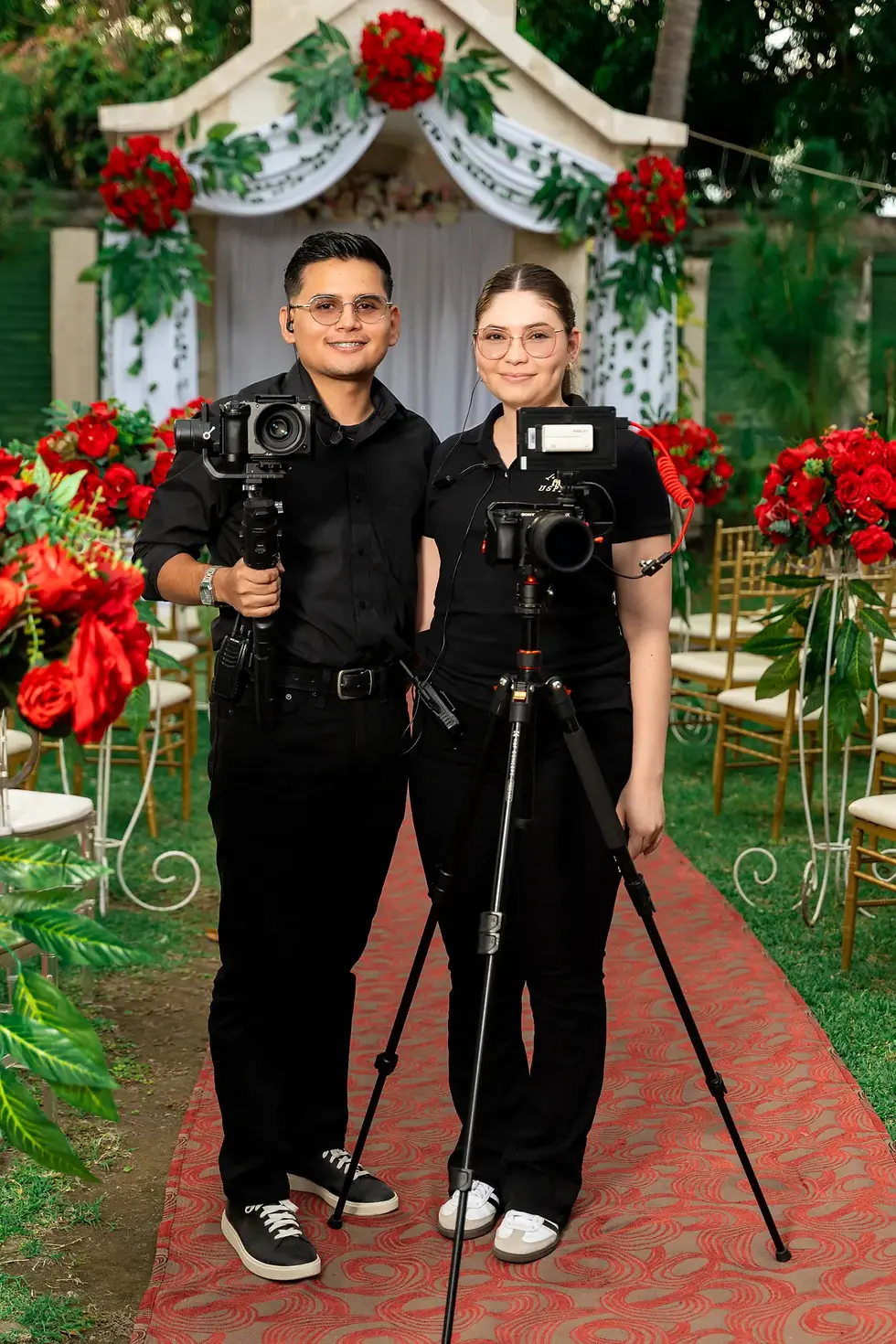
The real decision: timeline and venue, not guest count
A lot of advice on this leans on guest numbers as the deciding factor, something like "under 75 guests, you're fine with one." It's not a bad rough guide, but it misses the actual mechanism. What matters is whether your day genuinely creates parallel moments worth covering, not how many chairs are set out.
A 60-guest wedding split across a vineyard estate with a bridal suite on one side of the property and a separate cottage for the groom's party on the other can need two photographers more than a 150-guest wedding held entirely in one function room with a straightforward, sequential timeline. It's the layout and the shape of your day, not the number on the RSVP list, that creates the moments a second shooter would otherwise miss.
What a solo photographer with a good plan can still cover well
None of this means one photographer is a compromise. A single venue, a generously buffered timeline, a first look that combines both partners' getting-ready and portrait time into one continuous block rather than two separate ones, and a guest list that isn't spread across multiple buildings, all mean a solo photographer with a clear plan genuinely doesn't lose much. The gaps a second shooter fills only exist if your day actually has them.

Working out which one fits your day
A few honest questions make this decision straightforward. Are you and your partner getting ready somewhere genuinely separate, more than a short walk apart? Is there a moment you specifically want covered from two angles at once, both the ceremony and the reactions to it, for instance? Does any part of your day genuinely run in parallel, cocktail hour spread across a big property, or two family groups you want photographed in different spots at the same time?
If most of those answers are no, a solo photographer working a well-planned timeline will likely cover your day just as thoroughly. If two or more are yes, a second shooter is solving a real problem, not adding an upsell.
Frequently asked questions
Who books the second shooter, us or the photographer?
Normally your lead photographer arranges this, either as part of your package or as a separate add-on. It's worth checking before booking a second photographer independently, since some contracts specify the lead photographer manages who else works alongside them.
Does a second photographer double our photo count?
Not exactly. It broadens the angles and moments covered rather than simply multiplying the total number of images, since the lead photographer still edits everything down to one consistent, curated gallery.
Is a second shooter the same as hiring a videographer?
No. A second shooter is still a still photographer, covering additional angles and moments. A videographer is a separate role covering movement and sound, and the two are often booked together but aren't interchangeable.
Not sure if your day needs a second shooter?
Tell us your venue layout and roughly how your day is timed, and we can talk through honestly whether a second photographer would solve a real gap for you, or point you to one of our solo-covered packages instead. Our guide to how many hours of wedding photography you actually need covers budgeting your coverage hours separately.


Comments